
Understanding LVT Flooring: An Overview
What is LVT Flooring?
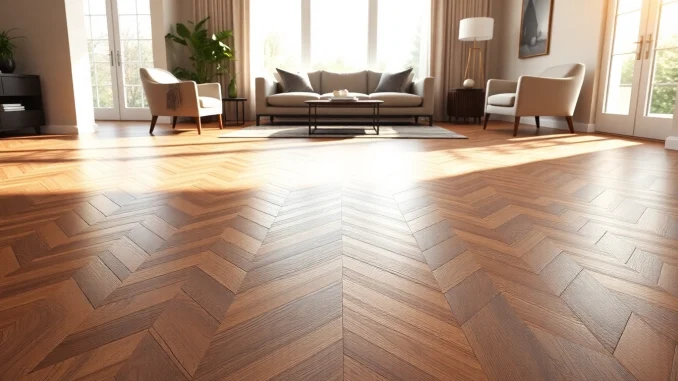
LVT flooring, or Luxury Vinyl Tile flooring, is a high-quality vinyl flooring option designed to mimic the look of natural materials such as wood and stone. Unlike traditional vinyl flooring, LVT incorporates advanced technology to reflect unique textures and styles, making it a popular choice for residential and commercial spaces alike. The layers within LVT flooring consist of a protective surface layer, a printed design layer, a sturdy core layer, and a backing layer, combining durability with aesthetic appeal. By investing in lvt flooring, homeowners and business operators can achieve elegant interiors without sacrificing practicality.
Benefits of Using LVT Flooring
One of the main advantages of LVT flooring is its versatility. It suits a wide range of design styles and settings. Besides aesthetics, LVT is known for its durability, being resistant to scratches, stains, and wear, making it ideal for high-traffic areas. It is also easier to install than traditional flooring options, often allowing for a floating installation, which requires no glue or nails. Additionally, LVT flooring is known for its comfort underfoot and sound absorption properties, providing a quieter environment compared to hard surface flooring options. Moreover, its water-resistant qualities make it suitable for moisture-prone areas such as kitchens and bathrooms.
Types of LVT Flooring Available
LVT flooring is available in various formats, including luxury vinyl planks and tiles (LVP and LVT). These come in a plethora of sizes, colors, and designs. More specialized options include rigid core LVT, which has a thicker structure for added durability, and glue-down LVT, which is adhered directly to the subfloor for enhanced stability. There are also options with embossing and texture to create a more realistic appearance, replicating natural surfaces. Choosing the right type can depend on your specific needs, such as aesthetic preference or functional requirements.
Choosing the Right LVT Flooring for Your Home
Factors to Consider When Selecting LVT Flooring
When choosing LVT flooring, consider factors such as the room type, foot traffic level, and moisture exposure. High-traffic areas may require thicker planks with enhanced durability, while aesthetic tastes can guide selection in terms of colors and finishes. Additionally, understanding your subfloor type will help in determining the optimal installation approach. Finally, review product specifications to ensure the selected LVT flooring meets your performance needs, such as wear layer thickness and warranty terms.
Matching LVT Flooring with Home Decor
Selecting the right LVT flooring also involves aligning it with your existing home decor. For contemporary spaces, bold patterns or unique textures may be ideal, while more traditional homes can benefit from wood-look designs. Take into account color schemes and the overall ambiance you wish to create. Sample pieces can be beneficial to visualize how different LVT options will play off your furniture and decor. Additionally, consider continuity throughout connected spaces to maintain a fluid design narrative.
Cost Considerations for LVT Flooring
The cost of LVT flooring can vary based on quality, style, and brand. Generally, mid-range options are available, providing excellent value without compromise on aesthetics or performance. Installation costs can also vary; while some options allow for DIY installation, professional installation can be worthwhile for more complex configurations. Always aim to factor in not just initial costs but long-term value, including maintenance expenses and potential lifespan, to assess your overall investment.
Installation Process of LVT Flooring
Preparing for Your LVT Flooring Installation
Before installing LVT flooring, proper preparation is vital. Begin by ensuring your subfloor is clean, dry, and level, as imperfections can lead to an uneven surface and potential damage. Remove any existing flooring if necessary, and perform repairs on the subfloor to eliminate any dips or bumps. It’s also advisable to acclimatize the LVT flooring in the space where it will be installed for 48 hours prior to installation, allowing for temperature and humidity adjustments. Gather the required tools, including a utility knife, straight edge, and measuring tape, for a smooth installation process.
Step-by-Step Guide to LVT Flooring Installation
The installation steps for LVT flooring may vary depending on the type selected. For a floating floor installation, begin by laying down an underlayment if required. Next, measure the area to determine the starting point; typically, installations start along the longest wall. Cut planks or tiles to fit, ensuring a staggered pattern by offsetting the seams of adjacent rows. As you install, click the pieces together tightly without leaving gaps, and trim edges for a clean finish. Finally, allow the floor to settle before replacing baseboards or furniture.
Common Mistakes to Avoid During Installation
Numerous pitfalls may arise during the installation of LVT flooring. One of the most common mistakes is underestimating the importance of acclimatization, which can lead to buckling later on. Another frequent error includes not measuring properly, resulting in waste or uneven sections. Failing to account for expansion gaps along walls can also lead to issues. To avoid mistakes, meticulous planning, attention to detail, and following manufacturer guidelines are crucial.
Maintaining Your LVT Flooring
Cleaning and Care Tips for Longevity
Maintaining LVT flooring is straightforward, requiring regular cleaning to prevent dirt buildup. Utilize a vacuum or a broom to remove loose debris and follow up with a damp mop using a vinyl-safe cleaner. Avoid harsh chemicals that could damage the surface, and try to establish a cleaning schedule that involves a deeper clean once a month. Placing rugs at entry points can also facilitate cleanliness, preventing dirt from spreading throughout the home.
Dealing with Scratches and Damage
Despite its durability, LVT flooring can still sustain scratches. Minor scratches can often be mitigated with a specialized vinyl repair kit, while deeper scratches might require the application of a matching color filler. For heavier damage, such as gouges or deep dents, replacing the affected plank may be necessary. Regular inspections can help catch issues early before they escalate, ensuring the longevity of your flooring investment.
Seasonal Maintenance Practices for LVT Flooring
Seasonal changes can impact your LVT flooring. In summer, increased humidity may cause slight expansion, while cold temperatures in winter might lead to contraction. To mitigate these effects, maintain a consistent indoor climate, and ensure your HVAC system is functioning adequately. Using pads under heavy furniture can also help avoid indentation during fluctuating temperatures. At the change of each season, assess the flooring for any signs of damage or wear, adjusting your care methods as necessary.
FAQs about LVT Flooring
How long does LVT flooring last?
LVT flooring typically lasts between 10 to 25 years, depending on the quality of the product and installation. With proper maintenance, it can effectively maintain its appearance and functionality over time.
Can LVT flooring be installed over existing floors?
Yes, LVT flooring can often be installed over existing floors, provided the subfloor is level and in good condition. This makes it a convenient option for renovation projects.
Is LVT flooring waterproof?
Most LVT flooring options are resistant to water, making them a suitable choice for areas prone to moisture, such as kitchens and bathrooms. However, pooling water should be avoided to protect the integrity of the flooring.
What’s the difference between LVT and laminate flooring?
LVT flooring features a vinyl construction making it waterproof, while laminate is typically made of synthetic materials that may not handle moisture well. LVT also offers a more realistic look and feel compared to laminate.
How to choose a good quality LVT flooring?
Look for LVT flooring with a thick wear layer, typically 20 mil or more, ensuring durability. Check manufacturer ratings, warranty details, and product reviews for insights on performance and quality.