
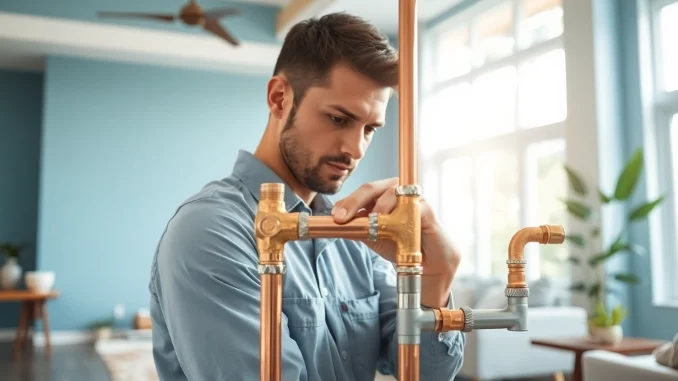
Understanding Whole House Repiping Services Tampa
What is Whole House Repiping?
Whole house repiping is the process of replacing all the piping in a home with new plumbing materials. This extensive plumbing project can become necessary due to aging pipes, repeated leaks, or contamination issues in the existing plumbing system. Typically, repiping involves removing old pipes and replacing them with newer, more durable materials, ensuring better performance and safety for the household. It’s an investment aimed at restoring or improving the plumbing efficiency of a home, providing long-term benefits.
Signs You Need Whole House Repiping Services Tampa
Homeowners should be vigilant for several indicators that may signal the need for whole house repiping services Tampa. Common signs include:
- Frequent Leaks: If you’re facing repeated plumbing leaks, it could indicate serious issues in your piping system.
- Low Water Pressure: Diminished water pressure is often a sign of corroded or clogged pipes.
- Discolored Water: Rusty or brown water suggests the pipes are deteriorating internally.
- Unpleasant Odors: Foul odors coming from your taps could signify issues in the plumbing.
- Age of the Plumbing: Homes with aging plumbing systems leveraging outdated materials may require repiping.
The Importance of Choosing the Right Materials
The choice of materials in repiping is critical, as different materials offer various benefits and drawbacks. The most common materials include:
- Copper: Known for its longevity and resistance to corrosion, copper has been a traditional choice for plumbing.
- PEX: A flexible, cost-effective alternative, PEX pipe is resistant to scale and chlorine and doesn’t corrode.
- CPVC: This material is less expensive than copper, easy to install, and doesn’t suffer from corrosion.
Choosing the right material depends on factors like local building codes, your budget, and the specific needs of your plumbing system. Consulting with a plumbing professional can help you make the best choice.
Benefits of Whole House Repiping Services Tampa
Increased Water Quality and Taste
One significant benefit of repiping is the improvement in water quality. Old pipes, especially those made from galvanized steel or lead, can leach harmful substances into your drinking water. By switching to materials like PEX or copper, homeowners can enjoy cleaner, better-tasting water free from contaminants.
Enhanced Water Pressure
Corroded or worn-out pipes can lead to decreased water pressure throughout your home. Repiping can eliminate blockages and narrow passages within the plumbing system, allowing for better flow and increased pressure. This improvement enhances the overall experience of using water throughout the home.
Long-Term Cost Savings and Increased Home Value
While the initial investment in whole house repiping may seem significant, it can lead to substantial cost savings over time. New pipes are less likely to fail, reducing repair costs and the likelihood of water damage. Additionally, repiping can increase a home’s market value by upgrading its plumbing infrastructure, a critical consideration for potential buyers.
Choosing a Plumber for Repiping in Tampa
What to Look for in a Plumbing Service
Selecting the right plumbing service is essential for a successful repiping project. Consider the following criteria:
- Experience: Look for plumbers specializing in repiping and have extensive experience with various plumbing materials.
- Licensing and Insurance: Ensure the contractor is licensed and insured to protect against liability during the project.
- Reputation: Research online reviews, testimonials, and local references to gauge their service quality.
Questions to Ask Potential Plumbers
Before hiring a plumbing contractor, asking the right questions can provide vital insights:
- What is your experience with whole house repiping?
- Can you provide references or testimonials from previous clients?
- What materials do you recommend for my specific needs, and why?
- Will you obtain the necessary permits for the repiping process?
- What is your estimated timeline for project completion?
Understanding Estimates and Pricing
Estimates for repiping can vary widely based on various factors, including the size of the house, the choice of materials, and the complexity of the existing plumbing. Understanding the breakdown of costs in a detailed estimate, including labor, materials, and potential unexpected expenses, is crucial. Always seek multiple estimates and clarify any costs that seem unusual.
The Whole House Repiping Process Explained
Getting Started: Initial Consultation
The repiping process typically begins with a consultation with a plumbing professional, who will assess your home’s plumbing system. This assessment includes identifying existing problems, understanding your specific needs, and discussing potential materials. They will also evaluate the layout of your plumbing to plan the repiping procedure effectively.
Steps Involved in the Repiping Process
The repiping process generally follows several key steps:
- Preparation: The area around the pipes will be cleared, and the water supply will be shut off for the duration of the work.
- Piping Installation: Old pipes are removed and replaced with the new chosen material. This includes rerouting pipes where necessary.
- Testing: Once the installation is complete, the plumber will test the system for leaks and ensure proper water flow.
- Restoration: After confirming everything is functioning well, the area will be restored to its original condition, including any patching of walls and ceilings.
Post-Repiping Considerations and Follow-Up
After repiping, it’s vital to monitor the system for a few weeks. Regularly check for leaks, unusual water sounds, and water pressure consistency. A follow-up appointment with your plumbing service may be beneficial to ensure everything is functioning as expected. Having the plumbing inspected periodically can help maintain longevity and performance.
FAQs about Whole House Repiping Services Tampa
How long does a whole house repiping take?
Typically, it takes 1 to 3 days, depending on your home’s size and complexity.
What materials are commonly used for repiping?
Copper, PEX, and CPVC are popular choices due to their durability and efficiency.
Can I stay in my home during repiping?
Yes, but there may be some disruption to your water supply during the process.
How will I know if repiping is the right choice?
Frequent leaks, low water pressure, and discolored water are signs that repiping may be necessary.
What are the costs associated with whole house repiping?
Costs can vary widely based on material and home size, often ranging from $5,000 to $15,000.