
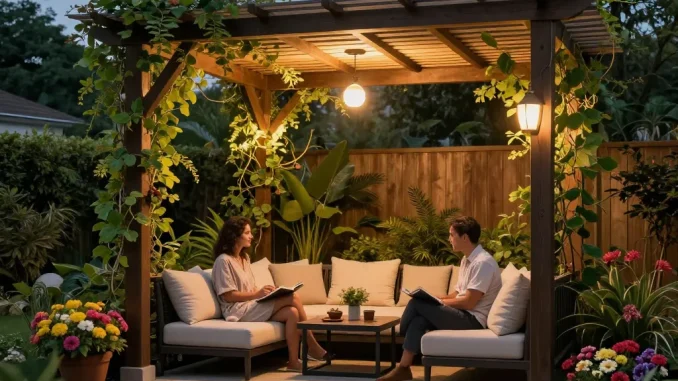
Understanding the 3D Pergola Concept
In the realm of outdoor living, the concept of a 3D pergola is gaining immense popularity. These architectural elements not only enhance the aesthetics of outdoor spaces but also provide functional benefits that can transform a backyard or patio into a usable area year-round. With the advent of advanced design technologies and digital modeling tools, homeowners can now visualize their outdoor projects in three dimensions, allowing for unparalleled customization and planning precision.
What is a 3D Pergola?
A 3D pergola is an outdoor structure designed with three-dimensional modeling techniques to depict its appearance, dimensions, and environment. Unlike traditional flat drawings or 2D representations, 3D models give homeowners a detailed preview of how the pergola will integrate into their outdoor space. Typically, these structures consist of vertical posts and cross-beams, providing a partial shelter that enhances outdoor enjoyment while adding architectural interest.
Benefits of a 3D Pergola in Outdoor Living
The advantages of incorporating a 3D pergola into your outdoor area are numerous. Firstly, it creates a visually appealing space that can serve as a focal point in your yard. Additionally, a 3D pergola offers functionality by providing shade and protecting against the elements, enabling homeowners to use their outdoor areas for longer periods. Another benefit is the potential for increased property value, as well-designed outdoor spaces are often highly sought after in real estate markets.
Traditional vs. Modern Pergola Designs
When choosing a pergola design, one must consider the stark contrast between traditional and modern styles. Traditional pergolas often feature intricate woodwork with classic designs, evoking a sense of timeless elegance. In contrast, modern pergolas may utilize sleek materials like aluminum or vinyl, focusing on minimalism and functionality. Understanding these differences is crucial when determining which style aligns best with your home and personal taste.
Designing Your Ideal 3D Pergola
Creating the perfect 3D pergola involves careful planning and design considerations. To begin, it’s essential to choose materials that not only suit your aesthetic preferences but also withstand your local climate conditions. For instance, if you live in a rainy area, opting for durable materials like high-grade timber or weather-resistant composite materials is advisable. When exploring options, 3d pergola design tools can provide comprehensive insights into your choices.
Choosing the Right Materials and Styles
Material selection is a vital aspect of designing a 3D pergola. Wood remains a popular choice due to its natural beauty and versatility, though it requires regular maintenance. Alternatively, metal options like aluminum offer durability and a modern appeal. Ultimately, the style you select should complement your home’s architectural design and your personal aesthetic preferences.
Incorporating Landscaping Ideas
Landscaping plays a crucial role in how a pergola feels within its environment. By surrounding your 3D pergola with strategically placed flowers, shrubs, or climbing plants, you can create a harmonious outdoor space that feels like an extension of your home. Incorporating elements such as outdoor lighting or water features can further enhance this integration.
Maximizing Space with 3D Pergolas
One of the remarkable aspects of 3D pergolas is their ability to maximize the use of outdoor space. Whether you have a sprawling garden or a compact patio, a well-designed pergola can create functional zones for dining, lounging, or gardening. Consider adding additional features such as built-in seating or outdoor heaters to enhance usability throughout the seasons.
Innovative Technologies in 3D Pergola Design
As the landscaping and architecture industries evolve, so too do the technologies used in designing outdoor structures. This section explores advanced technologies that are shaping the future of 3D pergola design.
Utilizing 3D Modeling Tools
3D modeling tools allow homeowners and designers to create detailed representations of their pergolas before construction begins. Programs like SketchUp or dedicated pergola design software provide an intuitive platform for customization, enabling users to adjust dimensions, styles, and materials while visualizing the final product from various angles.
Customizing Your Pergola with Virtual Reality
Virtual reality (VR) is revolutionizing how clients can interact with their design projects. With VR technology, customers can immerse themselves in a fully rendered environment of their future outdoor space. This level of interaction allows for immediate adjustments based on personal preferences, ensuring the finished product aligns precisely with their vision.
Future Trends in Pergola Technology for 2026
As we look towards 2026, several key trends are emerging in the world of pergola technology. Innovations in smart technology are likely to lead to automated features such as retractable roofs for adjustable shade and weather-responsive structural elements. Additionally, sustainability will become a central theme, with an increasing focus on eco-friendly materials and energy-efficient design practices.
Installation and Maintenance of 3D Pergolas
Once you’ve designed your ideal 3D pergola, the next step is installation. Understanding the nuances of this process is vital to ensuring your structure is both aesthetically pleasing and durable.
DIY Installation Tips for Homeowners
For the DIY enthusiast, installing a 3D pergola can be a rewarding project. Begin by carefully planning your layout and ensuring your foundation is level. Utilizing pre-cut materials can significantly reduce complexity, and having a partner to assist with assembly can make the process smoother. Always refer to local building codes for regulations regarding permits and safety standards.
Professional Installation Services Overview
If DIY is not preferable, hiring a professional may be the best option. A skilled contractor can ensure that your pergola is installed correctly and adheres to all safety regulations. They can also offer design insights that might enhance the overall outcome of your project.
Maintenance Best Practices for Longevity
To prolong the lifespan of your 3D pergola, regular maintenance is essential. For wooden structures, periodic sealing or staining can protect against moisture and UV damage. Metal pergolas may require occasional cleaning and inspection for rust prevention. By taking proactive measures, you can maintain both the beauty and functionality of your outdoor space.
Real-Life Examples of Successful 3D Pergola Installations
Examining practical implementations of 3D pergolas can provide inspiration and insight into their potential applications. Here are a few compelling case studies.
Case Study: Transforming a Small Yard
A homeowner with a limited rooftop space decided on a compact 3D pergola that optimized vertical space by including climbing vines. This design not only provided shade but also added visual interest to an otherwise dull area, demonstrating how effective space utilization can significantly enhance small outdoor environments.
Case Study: Commercial Outdoor Spaces
Restaurants and cafes are employing 3D pergolas to create vibrant outdoor dining experiences. By integrating colorful and stylized pergolas adorned with string lights, these businesses enhance their ambiance, attracting customers and encouraging longer stays.
Case Study: Integrating Pergolas into Landscape Designs
Landscape architects are increasingly incorporating 3D pergolas into their designs, using them as functional art pieces that can frame outdoor vistas. One notable project involved a series of interconnected pergolas that guided visitors through a botanical garden, demonstrating how structure can enhance the experience of a landscaped area.
Frequently Asked Questions about 3D Pergolas
As interest in 3D pergolas grows, so do the inquiries about their design and implementation. Here are some of the most frequently asked questions.
How can I customize my 3D pergola?
Customization options for 3D pergolas are vast. Homeowners can adjust dimensions, materials, and styles to fit their unique tastes and needs. Using design software or consultations with professionals can facilitate this process.
What materials are best for a 3D pergola?
The choice of materials largely depends on personal preference and local climate. Options include wood, aluminum, and composite materials, each offering different aesthetic and practical benefits.
Are there 3D pergola design software available?
Yes, several software options exist, such as SketchUp, that allow users to design and visualize their 3D pergolas, making it easier to plan the layout and materials beforehand.
How much does it cost to install a 3D pergola?
The cost of a 3D pergola installation can vary widely based on materials, size, and labor costs. On average, homeowners might expect to spend anywhere from $2,000 to $5,000, depending on their specific needs and choices.
What are the latest trends in pergola designs?
Current trends in pergola design include incorporating smart technology, using eco-friendly materials, and creating multi-functional outdoor spaces that blend seamlessly with nature. Emphasizing open-space designs and integrating lighting features are also increasingly popular.