
Understanding the Festool Exoskeleton
What Is the Festool Exoskeleton?
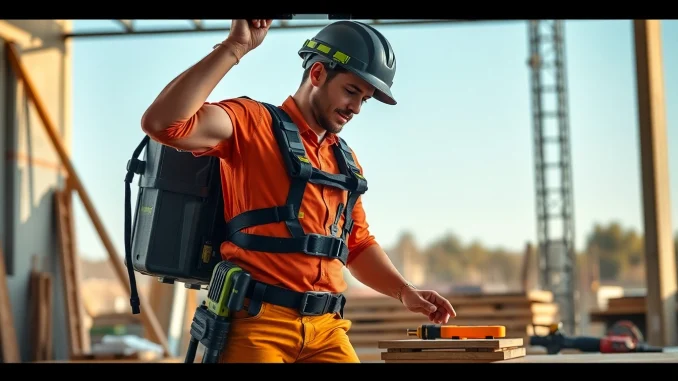
The Festool exoskeleton is a groundbreaking advancement in the world of ergonomic support for workers in various industries. Designed to assist with the physical demands of manual labor, the Festool exoskeleton acts like a second skin, transferring loads from the user to the exoskeleton itself. This innovative tool significantly enhances comfort, efficiency, and overall productivity while reducing physical strain, particularly in tasks that involve repetitive movements or heavy lifting.
The advent of exoskeleton technology marks a new era in workplace safety and ergonomics, especially for sectors such as construction, manufacturing, and logistics. The Festool exoskeleton exemplifies this shift, combining cutting-edge engineering with practical design to provide workers with the support they need to perform their tasks effectively and safely.
Key Features of the Festool Exoskeleton
The Festool exoskeleton is loaded with features designed to enhance its utility and user-friendliness. Here are some key attributes that set it apart:
- Lightweight Design: Made from durable, high-quality materials, the exoskeleton is lightweight, allowing for easy maneuverability without compromising strength.
- Adjustable Fit: The device can be customized to fit different body types, ensuring that every user, regardless of size or shape, receives optimal support.
- Robust Battery System: Equipped with a powerful battery system that provides long-lasting operation, the Festool exoskeleton ensures continuous support throughout a work shift.
- Intuitive Control: Users can easily manage the exoskeleton’s functions through an intuitive control panel, allowing for seamless adjustments on the job.
- Multi-Functional Use: Suitable for various applications, the Festool exoskeleton can adapt to different tasks, ranging from heavy lifting to detailed assembly work.
How Festool Exoskeleton Works
The operational mechanics of the Festool exoskeleton are rooted in advanced engineering principles. Utilizing electromechanical actuators and sensors, the exoskeleton anticipates and responds to the user’s movements, providing support precisely when and where it is needed. Upon detecting specific physical actions, the system can redistribute weight accordingly, helping to alleviate strain on the user’s muscles and joints.
In essence, the Festool exoskeleton enhances the body’s natural capabilities while allowing users to maintain mobility and dexterity. This interaction between human and machine not only increases physical efficiency but also contributes to better posture and reduced fatigue during prolonged work periods.
Benefits of Using the Festool Exoskeleton
Enhanced Physical Support
One of the most significant advantages of the Festool exoskeleton is the enhanced physical support it provides to workers facing demanding physical tasks. By redistributing loads away from vulnerable joints and muscles, users can perform heavy lifting or repetitive motions with less effort and without compromising their safety.
Improved Work Efficiency
The integration of the Festool exoskeleton into daily workflows can lead to substantial improvements in work efficiency. By reducing the physical toll on workers, tasks that typically require more time and effort can be completed quicker, allowing teams to achieve their goals more effectively. This efficiency gain is not merely about speed; it also means that workers can turn their focus to completing high-quality work without being hindered by fatigue.
Reduction of Work-Related Injuries
In industries where manual labor is prevalent, the risk of work-related injuries is a constant concern. The Festool exoskeleton directly addresses this issue by minimizing the risk factors associated with repetitive stress injuries and long-term overexertion. With enhanced ergonomic support, users are less likely to experience strains, sprains, and other chronic conditions that can lead to significant downtime and healthcare costs.
Choosing the Right Festool Exoskeleton
Assessing Your Work Environment
Before investing in a Festool exoskeleton, it is crucial to assess your specific work environment and the types of activities that will be performed. Different models of the Festool exoskeleton may be better suited for certain applications, so understanding the demands of your workplace is vital. Factors such as the weight of the items being lifted, the frequency of repetitive tasks, and the duration of physical exertion should all play into your decision-making process.
Factors to Consider in Selection
When selecting a Festool exoskeleton model, consider the following factors:
- Body Type Compatibility: Ensure the model is adjustable for all users in your team, taking into account varying heights and weights.
- Battery Life: Evaluate how long the battery lasts in relation to your work shifts; opt for models that provide at least a full day of power.
- Functionality Features: Depending on the nature of the work, additional features such as enhanced mobility or specific support modes may be necessary.
Comparing Different Models of Festool Exoskeleton
Festool offers a range of exoskeleton models that cater to varying needs. Comparison of models based on performance metrics, user feedback, and feature sets can provide insight into which model might be the best fit for your tasks. Detailed study of specifications and user experiences can guide you toward making an informed purchase that aligns with your operational goals.
Implementing the Festool Exoskeleton in Your Workflow
Training for Effective Use
To maximize the benefits of the Festool exoskeleton, training employees on its proper use is essential. This training should cover operational instructions, maintenance practices, and safety guidelines to ensure that the exoskeleton is integrated smoothly into everyday tasks. Employees must feel confident using the exoskeleton to perform their duties without hesitation or concern for their safety.
Integrating with Existing Equipment
Successful implementation of the Festool exoskeleton also requires consideration of how it will interact with existing equipment and workflows. It is essential to evaluate compatibility with tools and vehicles commonly used in your environment. Adjustments may need to be made to process sequences or equipment arrangements to leverage the advantages provided by the exoskeleton most effectively.
Optimizing Usage for Maximum Benefits
To optimize the performance of the Festool exoskeleton, encourage employees to share their experiences and feedback on its use. Regularly assessing how the exoskeleton is utilized can uncover additional insights or adjustments needed to improve workflows further. Moreover, consistently highlighting the significance of proper ergonomics and physical fitness among your team can promote a culture of safety that complements the exoskeleton’s capabilities.
Measuring the Performance of the Festool Exoskeleton
Key Performance Indicators
Measuring the effectiveness of the Festool exoskeleton in your workplace is crucial in determining its value. Key performance indicators (KPIs) could include reductions in injury rates, improvements in speed or efficiency of task completion, and overall employee satisfaction with the use of the exoskeleton. Regular evaluations of these metrics can help you assess whether the exoskeleton is meeting your intended goals.
Feedback from Users
Obtaining feedback from users of the Festool exoskeleton is an essential part of the measurement process. Engaging with employees about their experiences can reveal insights into areas that work well or require further consideration. User feedback should be systematically collected, analyzed, and acted upon to ensure the continual improvement of both the device and the workflows it supports.
Continuous Improvement Strategies
Adopting a mindset of continuous improvement can enhance the advantages of using the Festool exoskeleton. Regularly updating training materials, incorporating user suggestions, and staying informed about advancements in exoskeleton technology can ensure that your organization fully grasps the benefits of these innovations. Additionally, reviewing and updating your selection criteria for other equipment will align your organization with leading-edge ergonomic tools.
The Festool exoskeleton stands as a transformative tool in ergonomic support, promising enhancements to both worker efficiency and safety. Investing in such innovative technology can improve productivity, reduce injury rates, and create a more engaged workforce. For more information on acquiring a Festool exoskeleton or finding additional ergonomic solutions, consider visiting Mister Worker to explore your options today.