
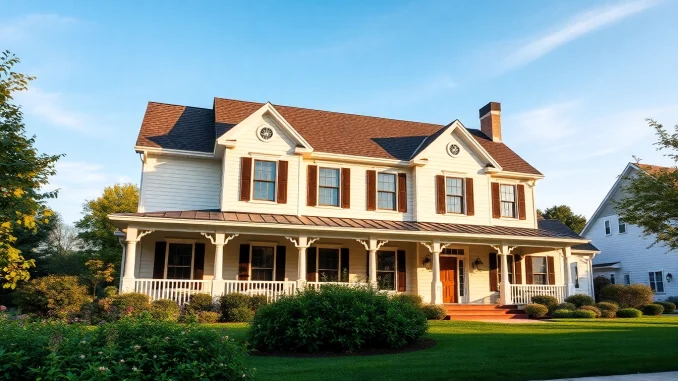
Understanding Colonial Home Addition Concepts
Adding a colonial home addition is a thoughtful approach to enhancing your property while maintaining its historic beauty and charm. A colonial home addition allows homeowners to expand their living space without sacrificing the architectural integrity of their residence. This article will explore the essentials of planning, implementing, and successfully finalizing a colonial home addition, ensuring you achieve a flawless blend of functionality and style.
Key Features of Colonial Architecture
Colonial architecture is characterized by symmetrical designs, classic proportions, and functional spaces. The following key features define this timeless style:
- Symmetry: Colonial homes often feature symmetrical facades, with evenly spaced windows and doors, creating a balanced appearance.
- Rectangular Shape: The classic colonial house has a rectangular shape and is typically two to three stories tall.
- Gabled Roof: A sloping gabled roof is a fundamental feature, often complemented by dormer windows for added style and light.
- Colonial Details: Columns, pilasters, and intricate moldings are prominent decorative elements in colonial homes.
- Durable Materials: Traditional materials such as wood siding, brick, and stone are commonly used, enhancing the home’s longevity and charm.
Benefits of Adding a Colonial Home Addition
Incorporating a colonial home addition offers several advantages, making it a wise investment for homeowners:
- Increased Space: A well-planned addition can provide significant additional space for families in need of more room, whether for children, work, or leisure activities.
- Enhanced Property Value: Thoughtful home additions can increase a property’s resale value, making it an appealing investment.
- Personalization: Adding onto your home allows you to tailor the space to your family’s unique needs and preferences.
- Architectural Integrity: By using traditional designs and materials, homeowners can ensure that the new addition retains the original architectural charm.
- Long-Term Sustainability: A well-executed addition can prolong the life of the home, providing years of enjoyment without needing to move.
Common Design Styles for Colonial Home Additions
When considering a colonial home addition, it’s essential to align with prevalent design styles that resonate with colonial architecture:
- Federal Style: Known for its graceful lines and decorative elements, this style is marked by symmetry, geometric shapes, and understated embellishments.
- Georgian Style: This design embraces grandness and symmetry, often featuring multi-pane windows and central front doors highlighted by pediments or porticos.
- Williamsburg Style: Emphasizing the colonial roots, this style uses historical accuracy and traditional materials, presenting a classic yet functional look.
Planning Your Colonial Home Addition Project
Planning is the cornerstone of any successful colonial home addition. It is crucial to assess your needs, set a budget, and choose the right professionals to guide you through the process.
Assessing Space and Design Needs
Begin by evaluating your current living space and identifying needs that necessitate an addition. Conducting a needs assessment can help clarify your goals. Consider the following:
- What purpose will the new space serve? (e.g., extra bedrooms, a home office, or a family room)
- How much space is required? (Consider dimensions and potential layouts)
- What style of addition will best match your existing home?
Consulting with an architect can help you visualize and refine your ideas.
Setting a Realistic Budget
Budgeting for a home addition requires careful planning and consideration of various factors:
- Construction Costs: Understand labor and materials expenses in your area.
- Permits and Fees: Account for costs associated with obtaining necessary permits and approvals.
- Design and Consultation Fees: Allocate funds for professional services to ensure proper design and construction.
- Contingency Funds: It’s prudent to set aside 10-20% of your overall budget for unexpected expenses that may arise during construction.
Choosing the Right Professionals
Selecting qualified professionals is essential for the successful execution of your colonial home addition. Consider these key points:
- Architects: A good architect familiar with colonial design will ensure that your addition complements the existing architecture and adheres to local building codes.
- Contractors: Research and select reputable contractors with experience in home additions and historical preservation.
- Interior Designers: An interior designer can assist in making your new space functional and aesthetically pleasing.
Gather recommendations, check certifications, and review portfolios before making your final selection.
Materials and Techniques for Colonial Home Additions
Choosing the right materials and techniques is crucial for both aesthetics and functionality when adding to your colonial home.
Traditional vs. Modern Building Materials
Striking a balance between traditional and modern materials can impact the overall appearance and durability of your addition:
- Traditional Materials: Wood siding, brick, and stone are timeless options that align with colonial architecture.
- Modern Materials: Using composites or engineered materials may provide cost-effective and sustainable solutions without compromising on quality.
- Finishes: Ensure that the painting and any finishing touches match the existing structures to maintain visual harmony.
Techniques to Maintain Authenticity
To preserve the original character of your colonial home, consider the following techniques:
- Matching Architectural Elements: Incorporate similar window styles, moldings, and roofing to maintain a cohesive look.
- Architectural Details: Use traditional details like cornices or beadboard to emphasize the colonial flair in your new addition.
- Color Schemes: Select paint and material colors that complement the existing palette of your home.
Incorporating Energy-Efficient Solutions
In today’s environmentally conscious climate, integrating energy-efficient features into your colonial home addition is essential:
- Insulation: Invest in high-quality insulation to enhance energy efficiency and comfort in your new space.
- Windows and Doors: Opt for energy-efficient windows and doors that maintain the colonial aesthetic while minimizing energy loss.
- Smart Technology: Consider incorporating smart home technology for lights, heating, and cooling, improving efficiency across the board.
Legal Considerations for Colonial Home Additions
Understanding legal requirements is key to avoiding potentially costly issues during your colonial home addition journey.
Understanding Zoning Laws
Before starting any construction, familiarize yourself with local zoning laws that may affect your project:
- Setback Requirements: Some areas have rules about how close structures can be to property lines.
- Height Restrictions: Limits on the height of additions may vary by zone and municipality.
- Land Use Restrictions: Check if your property is in a designated historic district, which may impose additional requirements.
Navigating Permits and Approvals
Obtaining the necessary permits will significantly impact your project flow:
- Building Permits: Almost all additions will require building permits to ensure safety and compliance with codes.
- Historical Approvals: If your home is in a historic district, you may need special permissions from a local authority.
- Timeline for Approvals: Plan for potential delays in securing permits, which can extend your project timeline.
Working with Local Historical Commissions
If your home lies in a historic area, engaging with the local historical commission is essential:
- Consultation: Seek advice early in the planning process to ensure your project meets historical guidelines.
- Document Submission: Be prepared to submit plans and elevations for review, as they often require detailed descriptions.
- Flexibility: Remain open to suggestions from the commission to help your addition blend seamlessly with existing structures.
Tips for Successfully Completing Your Colonial Home Addition
Successfully completing an addition to your colonial home requires thorough planning, effective communication, and careful execution.
Managing the Construction Timeline
Establish a timeline and communicate effectively with your contractors to ensure your project progresses smoothly. Here are essential tips:
- Realistic Timelines: Set achievable milestones to track progress and ensure each phase of construction is completed on time.
- Regular Check-ins: Schedule frequent meetings with your project team to discuss progress, challenges, and any necessary adjustments.
- Document Everything: Keep a detailed record of all communications, changes, and decisions for reference and accountability.
Coordinating Design Elements with Existing Structures
Maintaining a consistent design aesthetic between the original house and the new addition is critical:
- Color Matching: Use similar exterior paint colors and finishes to tie the two components together.
- Window Alignment: Align window heights and styles to maintain a cohesive look across the facade.
- Roof Design: Ensure that the new addition’s roof pitch and materials replicate the existing structure for authenticity.
Final Touches for a Cohesive Look
The final details can make a significant impact on the overall appearance of your colonial home addition. Consider these finishing touches:
- Landscaping: Enhance curb appeal with thoughtful landscaping that draws attention to the home’s historical features.
- Exterior Lighting: Install lighting that highlights architectural details while ensuring adequate safety and visibility.
- Outdoor Spaces: If space allows, create outdoor living areas that complement the addition and offer additional family space.
FAQs
What are the benefits of a colonial home addition?
A colonial home addition enhances living space, adds value to the property, and allows personalization while retaining architectural integrity.
How can I maintain design authenticity in my addition?
Use traditional materials and details that match the existing home, and consult with architects familiar with colonial styles for guidance.
What permits do I need for a home addition?
Typically, you will need building permits, and possibly zoning and historical approvals depending on your area’s regulations.
How long does a colonial home addition project take?
The duration varies based on complexity, but most projects take several months from planning to completion.
Can I do a DIY colonial home addition?
While some aspects can be DIY, hiring professionals for structural work ensures safety and compliance with building codes.