
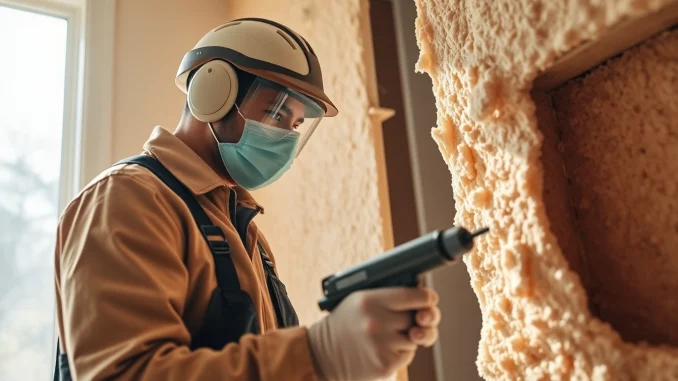
Understanding Spray Foam Removal
Spray foam insulation has garnered popularity due to its superior insulating properties, offering an energy-efficient solution for many homes. However, there are instances when spray foam needs to be removed, whether due to improper application, damage, or changes in insulation needs. That’s where spray foam removal specialists come into play. This article delves into the critical aspects of spray foam removal, helping you understand what it is, common problems, and why hiring specialists is a wise decision.
What is Spray Foam Insulation?
Spray foam insulation is a type of insulation material made from polyurethane. It is applied as a liquid that expands and hardens upon contact with air, creating a dense foam that fills gaps, cracks, and cavities in walls, roofs, and floors. This insulation method offers numerous advantages, such as:
- High R-Value: Spray foam provides excellent thermal resistance, ensuring a home remains energy efficient.
- Air Sealant: It acts as a barrier against air leaks, reducing drafts and maintaining consistent indoor temperatures.
- Moisture Barrier: Closed-cell spray foam offers excellent moisture resistance, protecting structures from water damage.
While it can significantly enhance energy efficiency, there are occasions when removal becomes necessary.
Common Problems with Spray Foam
Spray foam insulation can encounter several issues that may necessitate its removal. Here are some common problems:
- Poor Installation: Inadequate application can lead to insulation voids, which reduce its efficacy.
- Moisture Trapping: If not properly ventilated, spray foam can trap moisture, leading to mold growth and wood rot.
- Allergic Reactions: In some cases, homeowners report allergies due to off-gassing from improperly cured foam.
- Damage During Renovations: Removal of walls or floors often requires removing existing spray foam, which can be complicated.
These issues can lead to costly repairs and health concerns, making the role of specialists vital in efficient and safe removal.
Why Choose Spray Foam Removal Specialists?
Hiring spray foam removal specialists is essential for several reasons:
- Expertise: Specialists are trained and experienced in safely removing spray foam without damaging your home.
- Safety Measures: They implement necessary safety protocols to handle harmful chemicals and minimize risks to health.
- Efficient Process: Professionals utilize the right tools, ensuring a quicker and less disruptive removal process.
- Assessment and Advice: After removal, specialists can assess insulation needs and recommend better alternatives.
Overall, their expertise not only streamlines the removal process but also safeguards your property and well-being.
Identifying the Right Specialists
Choosing the right spray foam removal specialists involves assessing various factors to ensure you hire the best team for the job. Here’s how to guide your selection process:
Qualities of Professional Spray Foam Removal Specialists
When searching for specialists, consider the following qualities:
- Experience: Look for professionals with extensive experience in spray foam removal, ensuring they are familiar with various types and conditions.
- Certification: Verify if they are certified by relevant industry associations, showcasing their commitment to professional standards.
- Reputation: Check online reviews and testimonials to gauge the quality of service provided by the specialists.
- Transparent Pricing: The best specialists offer clear and detailed quotes, eliminating hidden costs.
Questions to Ask Before Hiring
Effective communication is crucial when hiring specialists. Here are some key questions to ask:
- What is your experience with spray foam removal?
- Do you have certifications and insurance?
- Can you provide references from previous clients?
- What is your removal process, and how long will it take?
- What safety measures do you take during the removal?
These questions provide a clearer understanding of the specialist’s qualifications and work ethic.
Assessing Experience and Certification
Before finalizing your choice, it’s crucial to thoroughly assess their background. Look for:
- Years in Business: A longer operational history typically indicates stability and expertise.
- Professional Affiliations: Membership in professional organizations can reflect adherence to industry standards.
- Continuing Education: Specialists who engage in ongoing training are more likely to stay updated with the latest removal techniques and safety protocols.
Such assessments help you hire specialists who are both skilled and knowledgeable.
The Removal Process Explained
The removal of spray foam insulation involves a systematic approach to ensure safety and efficiency. Here’s an overview of the process:
Step-by-Step Overview of Spray Foam Removal
The spray foam removal process typically follows these steps:
- Initial Consultation: Specialists assess the insulation and discuss client concerns.
- Preparation: The area is prepared, ensuring ventilated access to the insulation.
- Foam Cutting: Using specialized tools, professionals cut away sections of spray foam.
- Removal: The specialists remove the foam, being cautious to avoid damage to surrounding structures.
- Cleanup: The work area is cleaned, disposing of foam and debris appropriately.
- Final Inspection: A post-removal assessment is conducted to check for any residual materials.
Safety Precautions During Removal
Safety is paramount during the removal process. Here are the essential precautions taken by specialists:
- Protective Gear: Specialists wear appropriate PPE (Personal Protective Equipment) such as gloves, goggles, and respirators.
- Ventilation: The area is well-ventilated to minimize exposure to harmful chemicals.
- Hazardous Waste Protocols: Proper disposal techniques for hazardous materials are employed to comply with regulations.
These precautions help mitigate risks associated with foam removal.
Tools and Techniques Used by Specialists
Professionals utilize various tools and techniques to ensure efficient removal, including:
- Foam Cutters: Specially designed saws cut through foam without damaging underlying structures.
- Vacuum Systems: High-powered vacuums are used to remove loose foam particles and debris for a thorough cleanup.
- Solvents: Environmental-safe solvents may be used to assist in breaking down stubborn foam.
Employing the right tools helps ensure a swift and effective removal process.
Post-Removal Considerations
Completing the removal process is only half the job; homeowners must consider several factors afterward.
Insulation Alternatives After Removal
Once the spray foam has been removed, exploring insulation alternatives is essential. Options include:
- Fiberglass Batts: A traditional insulation method that’s widely used and easy to install.
- Mineral Wool: Offers excellent fire resistance and soundproofing capabilities.
- Cellulose Insulation: Made from recycled paper, it is a sustainable option with good insulative properties.
Choosing the right insulation depends on energy efficiency goals, budget, and the specific requirements of your home.
Inspecting Your Home for Damage
After removal, it’s crucial to inspect the area for any potential damage that may have occurred during the process, such as:
- Structural damage to beams or walls.
- Signs of moisture damage or mold growth.
- Damage to electrical wiring or plumbing systems hidden by insulation.
Immediate attention to any issues helps prevent more extensive repairs down the line.
Maintaining Your Home Post-Removal
After addressing any damage, maintaining your home is vital for longevity and energy efficiency:
- Regular Inspections: Conduct walkthroughs every few months to check for any problems.
- Proper Ventilation: Ensure that areas are well-ventilated to prevent moisture buildup.
- Energy Efficiency Audits: Consider scheduling energy audits to assess your home’s insulation performance periodically.
Maintaining your property proactively can lead to prolonged durability and comfort.
Frequently Asked Questions
How Long Does Spray Foam Removal Take?
The removal timeframe depends on the size and complexity, typically ranging from a few hours to a couple of days.
Are there any risks involved in spray foam removal?
Yes, without proper precautions, there can be risks such as exposure to chemicals or physical injury. Hiring specialists mitigates these risks.
What should I do to prepare for the removal?
Clear the area, ensure proper ventilation, and give specialists easy access to the worksite.
Can I stay in my home during the removal process?
It’s generally safest to vacate the premises, especially if large amounts of foam are removed or hazardous materials are present.
How much does spray foam removal typically cost?
Cost varies significantly based on factors like insulation type and removal complexity. Consult specialists for a quote.