
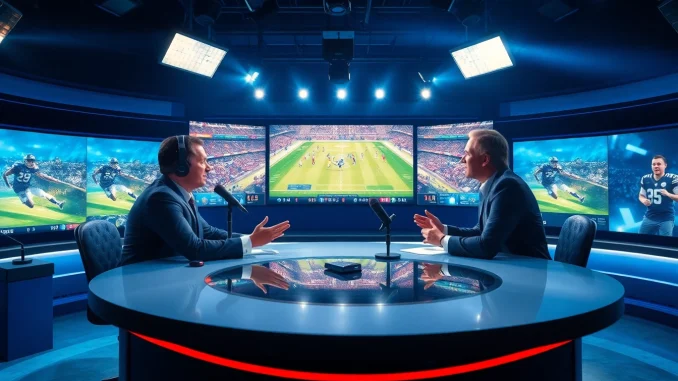
Understanding Sports Broadcasting
Definition and Importance of Sports Broadcasting
Sports broadcasting refers to the dissemination of sports-related content via various media platforms, including television, radio, and the internet. This practice plays a critical role in connecting fans to their favorite games and events, providing insights, live commentary, and analysis. As a key driver of fan engagement, Sports Broadcasting significantly impacts the sports industry by generating revenue through advertising, sponsorships, and subscription models. Moreover, it allows sporting leagues and teams to reach global audiences, fostering a sense of community among fans.
The Evolution of Sports Broadcasting
The history of sports broadcasting began in the early 20th century with radio broadcasts of significant sporting events. By the 1930s, television broadcasts became more prevalent, fundamentally changing how fans consumed sports. The introduction of cable television in the 1980s expanded viewing options, allowing sports networks to flourish and cater to niche audiences. The digital age has further transformed sports broadcasting with the rise of streaming platforms and on-demand content, enabling fans to watch games anytime and anywhere, thus enhancing the overall viewer experience.
Key Players in the Sports Broadcasting Industry
The sports broadcasting industry is filled with significant players, including traditional television networks, satellite services, and digital platforms. Broadcasters often partner with sports leagues to secure broadcasting rights, leading to lucrative deals that benefit both parties. Additionally, social media platforms have emerged as vital players, allowing real-time interaction and engagement between fans and athletes, expanding the reach of sports content beyond traditional mediums.
Technology Transforming Sports Broadcasting
High-definition and 4K Broadcasting
The introduction of high-definition (HD) and 4K technology has revolutionized the viewing experience in sports broadcasting. Fans now enjoy crystal-clear images and enhanced visual detail, making them feel as though they are part of the action. This technological advance drives higher viewer retention, increased advertising rates, and improved viewer engagement, creating a win-win scenario for both broadcasters and fans. The demand for 4K streaming continues to grow, pushing broadcasters to invest in infrastructure that supports this advanced technology.
Virtual Reality and Augmented Reality in Sports
Virtual reality (VR) and augmented reality (AR) have emerged as ground-breaking tools within sports broadcasting. These technologies provide fans with immersive experiences by allowing them to virtually attend games or view highlights from various angles. For instance, sports organizations are experimenting with AR overlays that integrate statistics and player bios during live broadcasts, enriching the viewing experience. As these technologies advance, they hold the potential to create entirely new forms of sports engagement.
Mobile Streaming and Accessibility
With the increase in mobile device usage, mobile streaming has become a crucial part of sports broadcasting. Fans can now watch live games and access sports content directly from their smartphones and tablets. This shift toward mobile accessibility ensures that viewers are not limited by their location and can consume sports content whenever they want. Consequently, many broadcasters are optimizing their platforms for mobile use, thus catering to the preferences of a tech-savvy audience.
Trends Shaping the Future of Sports Broadcasting
Integration of Social Media
Social media integration is a vital trend in sports broadcasting, where platforms like Twitter, Facebook, and Instagram serve as extensions of traditional coverage. These platforms offer real-time engagement opportunities, allowing fans to discuss plays, share highlights, and interact with athletes. Broadcasters are increasingly leveraging social media to create interactive experiences, enabling viewers to participate in polls, contests, and live chats during events, enhancing overall engagement.
Fan Engagement Strategies
As the landscape of sports broadcasting continues to change, innovative fan engagement strategies are essential for attracting and retaining audiences. Techniques include personalized content feeds, interactive viewing experiences, and exclusive behind-the-scenes access. Broadcasters need to harness data analytics to understand fan behavior and preferences better, tailoring content that resonates with their audience. This approach helps to create a more loyal fan base and drive higher viewer retention during broadcasts.
Rise of Esports Broadcasting
Esports broadcasting is rapidly becoming a significant component of the overall sports broadcasting landscape. With global tournaments attracting millions of viewers, traditional sports networks are beginning to incorporate esports into their programming schedules. The growing popularity of esports represents an opportunity for broadcasters to tap into a new, younger audience and expand their market share. As such, understanding the dynamics of esports broadcasting becomes crucial for industry professionals looking to stay relevant in the evolving sports media environment.
Challenges in Sports Broadcasting
Managing Rights and Licenses
One of the primary challenges in sports broadcasting involves managing rights and licenses associated with airing sporting events. With competing leagues and platforms vying for exclusive broadcasting rights, securing these agreements can strain resources and budgets. Broadcasters must navigate complex negotiations while ensuring compliance with contractual obligations to avoid legal pitfalls and maximize revenue potential.
Competition Among Broadcasters
The sports broadcasting landscape is rife with competition, as numerous networks and streaming platforms strive to capture viewer attention. This rivalry often leads to aggressive bidding wars for exclusive rights to popular events, putting smaller broadcasters at a disadvantage. To remain competitive, broadcasters need to innovate their offerings, enhance viewer engagement, and continually explore new distribution methods to reach diverse audiences.
Adapting to Audience Preferences
As consumer preferences change, sports broadcasters face the challenge of adapting to meet audience demands. Factors such as content delivery methods, viewing preferences, and audience demographics all influence how sports broadcasting strategies are developed. Broadcasters who fail to adapt to these shifts may risk losing viewers to more agile competitors. Continuous market research and audience segmentation are necessary to stay ahead in a rapidly evolving landscape.
Metrics for Measuring Success in Sports Broadcasting
Viewership Statistics and Analytics
Measuring viewership statistics provides critical insights into the effectiveness of sports broadcasting. Metrics such as Nielsen ratings, demographic data, and audience viewing behaviors help networks evaluate their reach and impact. By leveraging analytics tools, broadcasters can track real-time data, assess viewer engagement during events, and adjust programming strategies accordingly, ensuring they meet audience expectations and improve overall performance.
Advertising Revenue and Sponsorship Analysis
Advertising revenue is a key indicator of success in sports broadcasting. Analyzing advertising rates, sponsorship deals, and revenue generated from different platforms provides broadcasters with a clear picture of their financial health. Additionally, understanding audience engagement levels helps to set competitive pricing for advertising spots and identify potential sponsorship opportunities that align with brand values and target demographics.
Audience Engagement Metrics
Audience engagement metrics, such as social media interactions, website traffic, and participation in polls or contests, are crucial for measuring the effectiveness of sports broadcasting efforts. By tracking these metrics, broadcasters can gauge viewer loyalty and tailor content to increase engagement. Understanding the factors that drive fan interaction allows sports broadcasters to refine their strategies and develop stronger connections with their audience.
Frequently Asked Questions
What is sports broadcasting?
Sports broadcasting is the transmission of sports events and related content through various media channels, including television, radio, and online platforms, connecting fans with their favorite sports.
How has sports broadcasting evolved over the years?
Sports broadcasting evolved from radio broadcasts in the early 20th century to include television and digital platforms, enhancing accessibility and viewer engagement through technology.
What technologies are shaping sports broadcasting?
High-definition, 4K, VR, and AR technologies are transforming sports broadcasting by providing immersive and interactive experiences that enrich viewer engagement.
What challenges do broadcasters face?
Broadcasters encounter challenges like managing rights and licenses, competing with multiple platforms, and adapting to ever-changing audience preferences.
How can success in sports broadcasting be measured?
Success can be measured through metrics like viewership statistics, advertising revenue, and audience engagement rates, providing insights into performance and strategy effectiveness.