
Understanding the Veranda Configurator
The concept of a Veranda configurator has emerged as a pivotal tool in the design and purchasing of outdoor living spaces. As more homeowners seek to enhance their properties and connect with nature, understanding how these configurators operate can empower them to create their ideal veranda. This article will explore the intricacies of veranda configurators, the benefits they offer, and how to utilize them effectively for personalized outdoor design.
What is a Veranda Configurator?
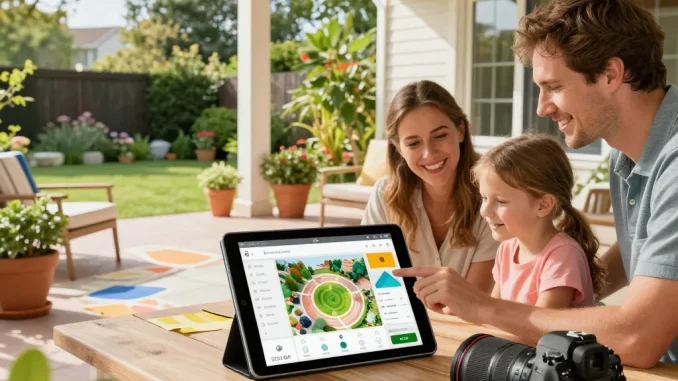
A veranda configurator is an interactive tool that enables users to design and customize their verandas online. Leveraging advanced software technology, these configurators allow homeowners and designers to visualize their outdoor space in real time, adjusting dimensions, materials, colors, and even additional features. This digital innovation bridges the gap between concept and reality, providing an avenue for creativity without the risk of physical constraints.
How Does a Veranda Configurator Work?
The functionality of a veranda configurator rests on user-friendly interfaces and 3D modeling capabilities. Upon accessing the tool, users are typically greeted with a blank canvas representing their outdoor area. They can then select various components such as:
- Base structure: Choose from different types of roofs and frames.
- Materials: Select from a range of materials including wood, metal, or composite.
- Dimensions: Customize the size to fit specific outdoor spaces.
- Color schemes: Experiment with various colors and finishes.
This allows for a highly personalized output that takes into account the user’s aesthetic preferences and practical requirements.
Benefits of Using a Veranda Configurator
By utilizing a veranda configurator, users gain numerous advantages:
- Enhanced Visualization: The ability to see a 3D representation of the dream veranda helps in making informed decisions.
- Cost Efficiency: Configurators often provide instant pricing based on selected options, enabling budget management.
- Time-Saving: Streamlined design processes eliminate lengthy consultations.
- Customization: Users can experiment with various combinations and styles without commitment.
Choosing the Right Veranda Design
When selecting a veranda design, it’s essential to consider various factors that will influence its functionality and aesthetic appeal. A well-designed veranda not only enhances the property’s exterior but also serves as an extension of living space.
Factors to Consider for Your Veranda
Here are key factors to keep in mind when designing your veranda:
- Purpose: Define what you want your veranda to be used for—entertaining, relaxing, or simply enjoying the outdoors.
- Size and Space: Assess the available space to ensure the design complements your home’s architecture.
- Climate: Consider the local climate to choose materials and designs that withstand weather variations.
- Regulations: Check local building codes and homeowner association rules that may impact your design choices.
Popular Themes and Styles for Verandas
The style of your veranda can significantly influence its overall appeal. Popular styles include:
- Contemporary: Clean lines and minimalist designs are ideal for modern homes.
- Traditional: Classic wooden structures with intricate details complement older architecture.
- Rustic: Using reclaimed wood and natural materials adds an organic feel.
Using the Configurator for Design Inspiration
Veranda configurators often come with pre-set templates and design ideas that can spark inspiration. These templates showcase various styles and arrangements, helping users visualize how different elements can work together. Utilizing the configurator’s features can also guide users toward popular design trends and seasonal aesthetics.
Step-by-Step Guide to Designing with a Veranda Configurator
Getting started with a veranda configurator may initially seem overwhelming, but it can be simplified by following a structured approach:
Initial Setup and Features Overview
When launching the configurator, familiarize yourself with its features. Most configurators include:
- Drag-and-drop elements: Easily add components to the design.
- Real-time interaction: See changes instantly as you customize.
- 3D visualization: Visualize the project from multiple angles.
Customizing Dimensions and Materials
Begin by setting the dimensions of your veranda. The configurator will likely provide dimension guides to ensure accuracy. Next, select materials that suit your style, climate, and budget. The configurator will update pricing as you make selections, keeping you informed of the total cost.
Visualizing Your Design in 3D
The 3D visualization feature is one of the most exciting aspects of a veranda configurator. Users can rotate their designs, zoom in on specific areas, and even switch between different material finishes to see how they interact in a realistic virtual environment. This is key for ensuring that every detail meets the homeowner’s expectations.
Common Challenges and Solutions
While using a veranda configurator can simplify the design process, users may encounter challenges. Here are common issues and how to overcome them:
Overcoming Design Limitations
Configurators may have restrictions based on software capabilities. If a specific design or dimension is unavailable, consider adjusting other aspects or consulting with a professional designer for feasible alternatives.
Addressing Client Needs and Preferences
In business settings, understanding client needs through configurator outputs can be challenging. Encourage direct feedback and use the configurator to iterate on designs quickly. This collaboration can lead to adjustments that better align with client expectations.
Technical Issues with the Configurator
Users may encounter technical glitches within a configurator. Always ensure you are using the most up-to-date version of the tool and contact customer support for any persistent issues. Having backup plans, such as offline design sketches, can also be beneficial.
The Future of Veranda Configurators in 2026
The world of veranda configurators is evolving rapidly. Anticipating trends and advancements will allow businesses and homeowners alike to stay ahead in the design game.
Emerging Trends in Outdoor Living Spaces
As outdoor living continues to gain popularity, emerging trends such as sustainable materials, smart home integrations, and multifunctional designs are expected to shape future verandas. Configurators will likely adapt to showcase these innovations effectively.
Technological Advances in Configurator Tools
In the next few years, we can expect configurators to incorporate augmented reality (AR) for even more immersive design experiences. This technology will allow users to visualize their designs in real-world settings, enhancing decision-making and satisfaction.
Preparing for Changes in Consumer Preferences
Consumers are becoming more conscious of environmental impacts and ethical sourcing. Configurator tools may evolve to include options for eco-friendly materials and designs that promote energy efficiency.
What are the advantages of using a veranda configurator?
The advantages include real-time visualization, cost management, and enhanced customization, making the design process both efficient and enjoyable.
How can I customize my veranda to fit my style?
Customization can be achieved by selecting different materials, colors, and structural elements that reflect personal taste and complement existing home styles.
What features should I look for in a good configurator?
Key features include user-friendly navigation, 3D visualization capabilities, customizable options, and instant pricing updates as selections are made.
Can I visualize my design before building?
Yes, the primary purpose of a veranda configurator is to allow users to visualize their designs in 3D before making any physical commitments.
What are the latest trends in veranda designs for 2026?
Expect to see more eco-friendly materials, integration of smart home technology, and designs that cater to multifunctional outdoor experiences as the demand for outdoor living increases.