
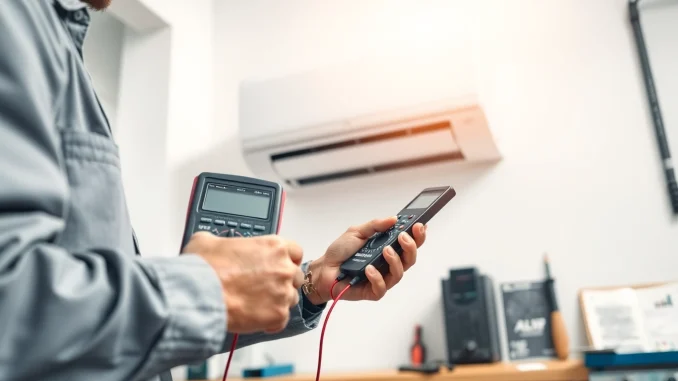
Understanding Mini Split AC Fundamentals
What is a Mini Split AC?
A mini split AC, also known as a ductless mini-split system, is a popular air conditioning solution for homes and buildings that provides efficient heating and cooling without the need for extensive ductwork. It consists of two main components: an indoor unit that is mounted on the wall and an outdoor compressor unit. This design allows for flexible installation and offers targeted climate control for individual rooms or zones.
One of the primary benefits of a mini split AC is its ability to maintain desired temperatures without the energy losses typically associated with traditional ducted systems. Additionally, these systems have gained traction due to their compact size and quiet operation, making them an excellent choice for residential, commercial, and even older buildings where ductwork may not be practical. For a closer look at various options, check out mini split ac systems available.
The Advantages of Mini Split AC Systems
Mini split AC systems come with a variety of advantages that appeal to both homeowners and commercial property managers. Some of the most notable benefits include:
- Energy Efficiency: Many mini split AC units are equipped with inverter technology that allows for variable-speed operation. This means the system can adjust its cooling power to match the demand, which can lead to significant energy savings on utility bills.
- Zone Control: Mini split systems enable users to set different temperatures for individual rooms, providing customized comfort and reducing wasted energy in unused spaces.
- Flexible Installation: With no need for ducts, installation is simpler and can often be completed in a fraction of the time required for traditional AC systems.
- Quiet Operation: The quiet design of the indoor unit contributes to a more peaceful indoor environment, making mini splits ideal for bedrooms, offices, and other quiet spaces.
- Improved Air Quality: Mini split systems often include advanced filters that can remove allergens and pollutants, enhancing indoor air quality.
Key Components of Mini Split AC Units
Understanding the components of a mini split AC system is crucial for both potential buyers and users. The main parts include:
- Indoor Unit: This is the part that circulates cool air into the living space. It can be installed on walls, ceilings, or floors, depending on the specific model and design.
- Outdoor Unit: The compressor is located in this unit, responsible for heat exchange. It works to dissipate heat absorbed from the indoor air.
- Refrigerant Lines: These copper lines connect the indoor and outdoor units, allowing the refrigerant to flow between the two and facilitate the cooling process.
- Remote Control: Most mini split systems come with a remote control that allows users to adjust settings from anywhere in the room.
- Drainage Pipe: This pipe removes condensation produced by the cooling process, preventing water buildup that could damage the indoor unit.
Choosing the Right Mini Split AC for Your Home
Assessing Your Cooling Needs
When selecting a mini split AC, it is essential to assess your cooling needs based on several factors:
- Room Size: The size of the room where the mini split will be installed significantly impacts its performance and efficiency. Calculating the required BTU (British Thermal Unit) rating is crucial to ensure adequate cooling without overworking the system.
- Insulation Quality: Well-insulated homes retain cool air better, which helps a mini split AC function more efficiently. Understanding your home’s insulation levels can guide you in choosing a system that matches your needs.
- Climate: The local climate where you live also influences the type of mini split AC you might consider. In areas with high humidity or extreme heat, a more robust system may be necessary.
- Usage Patterns: Consider how frequently the space will be used. If there are rooms you use less often, a multi-zone mini split system may be beneficial, allowing you to control individual room temperatures.
Factors to Consider When Purchasing
In addition to cooling needs, several other factors should inform your decision when purchasing a mini split AC unit:
- Brand Reputation: Look for brands with a strong track record of quality and customer service. Researching reviews and ratings can provide insight into the reliability of a specific model.
- Installation Requirements: Some units may require professional installation, while others can be DIY. Understanding the installation complexity can affect your total costs.
- Warranty and Support: A robust warranty and accessible customer support can offer peace of mind. Ensure to review the terms of service before making a purchase.
- Cost of Operation: Investigate the energy efficiency of the model, as units with higher SEER ratings (Seasonal Energy Efficiency Ratio) can lead to lower operating costs over time.
Energy Efficiency Ratings Explained
Understanding energy efficiency ratings is key to selecting an environmentally friendly and cost-effective mini split AC. Here are the main metrics:
- SEER (Seasonal Energy Efficiency Ratio): This rating measures the unit’s energy efficiency over an entire cooling season. A higher SEER rating indicates more efficient operation.
- EER (Energy Efficiency Ratio): Similar to SEER but measured under specific conditions, EER indicates how efficiently the air conditioner operates at peak performance.
- HSPF (Heating Seasonal Performance Factor): For mini split systems that provide heating, HSPF measures heating efficiency. A higher HSPF means more effective heating with less energy input.
Installation Process for Mini Split AC Units
Step-by-Step Installation Guide
Installing a mini split AC unit can be executed through a series of clear steps:
- Select Location: Choose a suitable location for both the indoor and outdoor units, considering factors like accessibility and airflow.
- Mount Indoor Unit: Use a wall bracket to secure the indoor unit at the chosen height. Make sure it’s centered and level.
- Install Outdoor Unit: Position the outdoor unit on a stable platform or concrete slab, ensuring proper airflow and no risk of obstruction.
- Connect Refrigerant Lines: Carefully connect the insulated refrigerant lines between the indoor and outdoor units, ensuring no Kinks or leaks are present.
- Electrical Connections: Follow the manufacturer’s guidelines to connect the electrical wiring, ensuring all connections are safe and secure.
- Test the System: Once installation is complete, check for proper operation and leaks after running the system for a short period.
Common Installation Mistakes to Avoid
To ensure a successful installation, here are common mistakes to avoid:
- Incorrect Sizing: Installing a unit that is too small or too large can lead to inefficiency and discomfort.
- Poor Location Choice: Not considering airflow and access can hinder performance and maintenance.
- Neglecting Electrical Codes: Failing to adhere to local electrical codes can lead to safety hazards and system malfunctions.
- Inadequate Insulation of Lines: Uninsulated refrigerant lines can result in energy loss and diminished performance.
Best Practices for Achieving Optimal Performance
To maximize the efficiency of a mini split AC system, consider these best practices:
- Regular Cleaning: Keep the filters and coils clean to enhance airflow and reduce strain on the system.
- Schedule Professional Maintenance: Enlist a qualified technician for annual maintenance checks to keep the system running smoothly.
- Monitor Thermostat Settings: Use a programmable or smart thermostat to optimize energy use while maintaining comfort.
- Seal Leaks: Ensure windows and doors are sealed properly to eliminate conditioned air loss.
Maintenance Tips for Mini Split AC Systems
Routine Maintenance Checklist
Performing routine maintenance is essential for extending the lifespan of a mini split AC:
- Clean the air filters monthly and replace them at least every three months.
- Inspect and clean the outdoor unit from dust, debris, and obstructions.
- Check the refrigerant levels and ensure there are no leaks.
- Examine the drainage system to ensure proper water removal.
- Monitor the operation throughout the season for any unusual noises or performance issues.
Troubleshooting Common Issues
If your mini split AC is not performing as expected, here are some troubleshooting tips:
- Insufficient Cooling: Check for clogged filters and clean or replace them as needed. Verify the thermostat settings are correctly adjusted.
- Water Leaks: Inspect for blocked drainage pipes and clear them to prevent water pooling around the unit.
- Unusual Noises: Tighten any loose components, and check for foreign objects that may be obstructing the fan.
- Inconsistent Airflow: Ensure that the indoor unit is free from obstructions, and evaluate the air filters for clogs.
When to Call a Professional
While many maintenance tasks can be performed independently, some situations necessitate professional help:
- Frequent system breakdowns or malfunctions that you cannot troubleshoot yourself.
- Visible refrigerant leaks or other signs of significant wear.
- Electrical issues that pose safety risks, requiring specialized knowledge.
- Annual maintenance and inspections, which ensure the system’s longevity and efficiency.
Frequently Asked Questions about Mini Split AC
How often should I service my mini split ac?
You should service your mini split AC at least once a year to ensure optimal performance. Regular maintenance helps identify potential issues early and prolongs the unit’s lifespan.
Can I install a mini split ac myself?
While DIY installation is possible, it is recommended to have a professional install your mini split AC to ensure proper setup and compliance with local codes, particularly for electrical and refrigerant connections.
What is the lifespan of a mini split ac?
Most mini split AC units have a lifespan ranging between 15 to 20 years with proper maintenance. Regular servicing can help maximize their longevity and efficiency.
Are mini split ac units noisy?
Mini split AC units are known for their quiet operation compared to traditional systems. The indoor units typically generate sound levels between 19 to 45 decibels, making them suitable for noise-sensitive environments.
Can mini split ac provide heating as well?
Yes, many mini split AC systems are equipped with heat pumps, allowing them to provide both heating and cooling capabilities. They can efficiently heat spaces by extracting heat from the outdoor air, even in colder temperatures.