
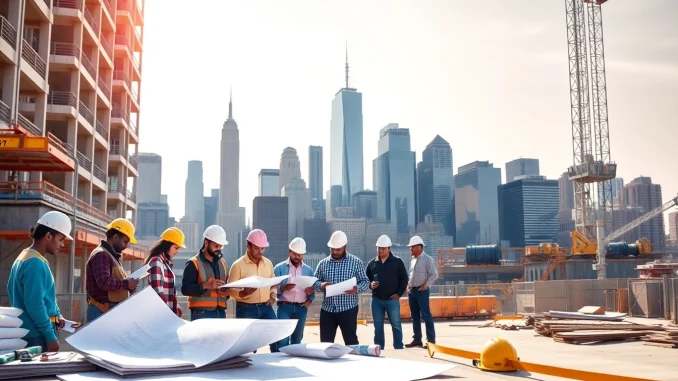
- Understanding the Role of a New York City Commercial General Contractor
- Factors to Consider When Hiring a New York City Commercial General Contractor
- Best Practices for Effective Communication with Your Contractor
- Essential Legal Considerations for NYC Construction Projects
- Measuring Success: Key Performance Metrics for Contractors
- Frequently Asked Questions
Understanding the Role of a New York City Commercial General Contractor
What Does a Commercial General Contractor Do?
A New York City Commercial General Contractor acts as the primary point of oversight for construction projects. They manage the entire construction process from conception to completion, ensuring that each phase meets the specified requirements, timelines, and budget constraints. Contractors are the architects’ and owners’ representatives on site, making crucial decisions that shape the project’s success, including hiring subcontractors, scheduling inspections, and maintaining safety protocols.
Key Responsibilities in NYC Construction
In the bustling environment of New York City, a commercial general contractor carries multiple responsibilities. Key tasks include:
- Project Planning: Develop project plans that define scope, milestones, and deadlines.
- Resource Management: Allocate resources judiciously, including materials, equipment, and labor.
- Regulatory Compliance: Ensure that every aspect of the construction process adheres to local building codes and regulations.
- Risk Management: Identify potential risks and implement mitigation strategies to prevent delays and accidents.
- Quality Control: Maintain high standards throughout the construction process by conducting regular inspections and managing subcontractor performance.
Why Choose a Local General Contractor?
Selecting a local contractor is essential for several reasons:
- Familiarity with Local Regulations: Local contractors understand New York City’s complex building codes and zoning laws, which can significantly streamline the permitting process.
- Established Relationships: They often have existing relationships with local sub-contractors, suppliers, and inspectors, facilitating smoother communication and collaboration.
- Local Market Insight: A contractor familiar with the New York City market can provide valuable insights into trends and pricing, aiding better decision-making for your project.
Factors to Consider When Hiring a New York City Commercial General Contractor
Experience and Credentials
When hiring a commercial general contractor, experience and credentials are paramount. Look for contractors with a proven track record in similar projects and industries. Request references and assess their past work quality. Additionally, check for necessary licenses, insurance, and memberships in industry organizations, which can ensure your contractor maintains rigorous industry standards.
Project Management Skills
Effective project management is vital to a construction project’s success. Evaluate a contractor’s project management skills by investigating their past performance in delivering projects on time and within budget. Tools and software utilized by the contractor for scheduling, budget tracking, and resource management can also reflect their organizational capabilities.
Budgeting and Financial Practices
A solid grasp of budgeting can distinguish successful projects from unsuccessful ones. Inquire about a contractor’s financial practices, including how they handle change orders, unexpected costs, and overall financial planning. Understanding how they manage their finances can offer you insights into the potential for cost overruns and the likelihood of a project staying within budget.
Best Practices for Effective Communication with Your Contractor
Setting Clear Expectations
Establishing clear expectations from the outset is critical for a smooth workflow. Draft a comprehensive project brief outlining your goals, budget, timeline, and approved materials. Encourage transparency from your contractor about challenges they anticipate and ensure both parties agree on deliverables.
Regular Updates and Meetings
Frequent communication is essential during the construction phase. Schedule regular check-in meetings to track project progress and address any adjustments needed. This approach fosters a collaborative environment where feedback is welcomed and helps maintain the momentum of the project.
Addressing Challenges Proactively
Construction projects rarely go exactly as planned. Issues such as delays due to weather or supply chain disruptions may arise. A proactive approach in communicating these challenges can help you and your contractor develop effective strategies to mitigate risks and keep the project on track.
Essential Legal Considerations for NYC Construction Projects
Understanding Local Laws and Regulations
New York City has stringent regulations governing construction projects, from zoning laws to safety regulations. Familiarize yourself with these laws, as noncompliance can lead to project delays or legal consequences. A knowledgeable contractor will guide you through these requirements, ensuring that all legal obligations are met from the beginning.
Permits and Licensing Needs
Your contractor should handle all necessary permits and licenses required for your project. Understanding the types of permits needed, such as construction, environmental, and occupancy permits, is crucial. Failing to secure proper documentation can lead to project halts, fines, or additional complications.
Contract Negotiation Tips
A well-negotiated contract protects both parties’ interests. Include clear definitions regarding scope, deliverables, timelines, and payment terms. Discuss how changes will be handled and ensure that the contract has dispute resolution clauses to manage any potential disagreements effectively.
Measuring Success: Key Performance Metrics for Contractors
On-Time Project Delivery
One of the primary performance metrics to assess a contractor is their ability to deliver projects on time. Establish timelines within your contract and monitor progress against them to ensure deadlines are met while maintaining quality standards.
Budget Management Efficiency
Assessing how well a contractor manages the budget is equally essential. Establish metrics for tracking expenditures as the project progresses. Conduct regular financial reviews to address any issues related to cost overruns swiftly.
Client Satisfaction and Feedback
Client satisfaction is a critical measure of a contractor’s success. Utilize feedback surveys upon project completion to gather insights into what worked well and what could be improved. Positive testimonials can also be a valuable tool for the contractor’s future business development.
Frequently Asked Questions
1. How long does a typical construction project take?
The duration of a construction project varies based on its size and complexity. A small renovation might take a few weeks, while larger commercial projects could last several months or longer.
2. What is the average cost of hiring a general contractor in NYC?
Costs can vary significantly based on the project size and scope. Generally, contractors might charge between 10% to 20% of the total project cost for their services.
3. Do I need to be present on-site during construction?
While it’s not necessary for you to be present at all times, regular visits are encouraged for oversight and open communication. Your contractor will manage daily operations on your behalf.
4. What should I do if construction delays occur?
If delays arise, communicate with your contractor immediately. Discuss the reasons for the delay and establish a revised timeline and strategies to minimize setbacks.
5. Can I make changes to the project after construction begins?
Yes, but changes may affect timelines and costs. It’s essential to discuss any alterations with your contractor and understand the potential implications before proceeding.