
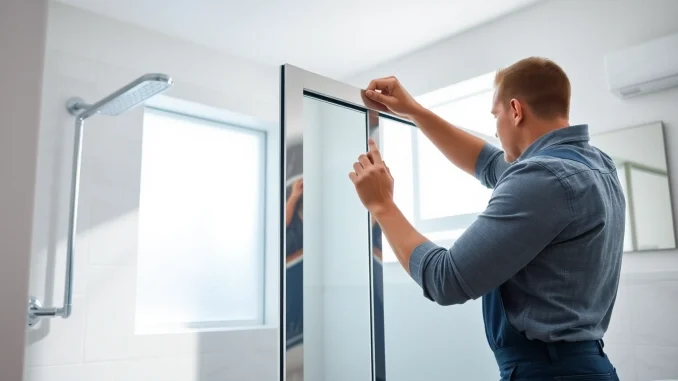
Understanding the Shower Screen Door
What is a Shower Screen Door?
A shower screen door is a vital bathroom element that serves both functional and aesthetic purposes. Unlike traditional shower curtains, which can harbor mildew and dust, a shower screen door provides a solid separation between the shower area and the rest of the bathroom, offering a clean modern look. These doors can be made from various materials, including tempered glass, acrylic, and composite materials, and are available in several styles and designs to fit different bathroom layouts.
Materials Used in Shower Screen Doors
Shower screen doors are primarily constructed from two types of materials: glass and acrylic. Glass doors are often preferred for their durability and elegant appearance. Tempered glass is a common choice due to its strength and resistance to thermal shock. Some glass doors feature coatings that repel water, making them easier to clean.
Acrylic doors, on the other hand, are lighter and less expensive than glass counterparts. While they may not offer the same degree of clarity or durability, they can be an excellent choice for those on a budget or requiring a lightweight option. Composite materials are also emerging, combining the best features of both glass and acrylic.
Advantages of Shower Screen Doors
The decision to install a shower screen door offers numerous advantages:
- Enhanced Aesthetics: Shower screen doors add a touch of sophistication to your bathroom, creating a spacious and modern feel.
- Easy to Clean: Unlike shower curtains that can become stained and must be frequently washed, glass doors typically require only a quick wipe-down to maintain their shine.
- Durability: High-quality materials like tempered glass ensure the door can withstand daily use without warping or degrading.
- Water Containment: Shower screen doors are designed to keep water contained in the shower area, significantly reducing the risk of slips and falls outside the shower.
- Customization Options: With various styles, colors, and finishes, homeowners can find the perfect match for their bathroom’s aesthetic.
Choosing the Right Shower Screen Door
Factors to Consider
Choosing the right shower screen door can feel overwhelming given the variety of options available. Here are some essential factors to consider:
- Space Constraints: Measure the space where the door will be installed. Consider whether the door will swing open or slide, as this will impact how much room is needed.
- Style: Select a style that complements your bathroom’s overall design. Options include framed, semi-frameless, and frameless designs.
- Glass Thickness: For durability, opt for a thicker glass panel, usually ranging from 4mm to 10mm.
- Finish: Consider the type of finish for metal frames, such as chrome, brushed nickel, or oil-rubbed bronze, to match other hardware in the bathroom.
Measuring for Your Shower Screen Door
Accurate measurements are crucial to ensuring that your new shower screen door fits perfectly. Here’s how to measure:
- Height: Measure from the top of the shower base to the ceiling or a height that accommodates your space.
- Width: Measure the width of the opening at the top, middle, and bottom. Use the smallest measurement for accuracy.
- Depth: If considering a sliding door, ensure there’s enough space for the door to slide without obstruction.
Design Options and Styles
Shower screen doors come in a variety of designs, catering to diverse aesthetics:
- Framed: These doors feature a metal frame that adds stability and sturdiness. They are available in various finishes and are more affordable.
- Semi-frameless: Combining the benefits of framed and frameless designs, these doors have minimal framing for a sleek look while offering extra support.
- Frameless: Offering a modern and airy feel, frameless doors use heavy glass panels supported by discreet hardware, providing a seamless look.
- Bi-fold: Ideal for small spaces, bi-fold doors fold back to free up space while maintaining access.
- Sliding: Perfect for tight spaces, sliding doors glide along a track, eliminating the need for clearance space.
Installation Process for a Shower Screen Door
Tools and Materials Needed
Before beginning installation, gather the necessary tools and materials:
- Measuring tape
- Level
- Drill
- Screwdriver
- Silicone sealant
- Stud finder
- Wall anchors
Step-by-Step Installation Guide
Follow this step-by-step guide for a successful shower screen door installation:
- Prepare the Area: Remove any old doors or fixtures and ensure the area is clean.
- Measure and Mark: Use the measuring tape to mark the positions for the wall brackets. Ensure they’re level and straight.
- Drill Holes: Use the drill to create holes for the brackets, inserting wall anchors if necessary.
- Attach Brackets: Secure the brackets to the wall using screws and a screwdriver. Ensure they are firmly attached.
- Install the Glass Panels: Carefully lift and place the glass panels into the brackets before securing them in place. Use assistance if needed.
- Seal Edges: Apply silicone sealant along the edges to prevent water leakage.
- Test the Door: Ensure the door opens and closes smoothly and make any necessary adjustments.
Common Mistakes to Avoid
Avoid these common mistakes during installation:
- Poor Measurements: Always double-check measurements to prevent sizing issues.
- Inadequate Support: Ensure that wall brackets are anchored securely into studs.
- Neglecting Sealant: Properly seal edges to prevent water damage and mold growth.
- Skipping Safety Gear: Always wear safety goggles and gloves when handling glass to avoid injury.
Maintenance and Care for Shower Screen Doors
Cleaning Tips for Glass Shower Screens
Maintaining your shower screen door is essential for longevity. Follow these cleaning tips:
- Regular Cleaning: Use a glass cleaner or a mix of vinegar and water for regular cleaning. Avoid abrasive cleaners which can scratch the glass.
- Daily Rinse: After each shower, rinse the glass door with water to reduce soap scum buildup.
- Scrub Gently: Use a soft cloth or sponge to clean the glass, avoiding harsh scrubbing pads.
Preventing Water Damage
To maintain the integrity of your bathroom and shower screen door:
- Inspect Seals: Regularly check the silicone seals for wear and replace them if needed.
- Control Humidity: Use an extractor fan or open a window during and after showers to minimize moisture buildup.
- Repair Any Cracks: Address any minor damages to the glass immediately to prevent escalation.
When to Replace Your Shower Screen Door
Knowing when to replace your shower screen door can save you hassle and ensure safety. Consider replacement if:
- The glass is cracked or chipped significantly.
- Seals are damaged, allowing excessive water leakage.
- The door mechanism is malfunctioning, impacting usability.
- Signs of rust or corrosion are evident, especially on metal components.
FAQs about Shower Screen Doors
What are the best materials for a shower screen door?
The best materials are tempered glass for its durability and aesthetics, and acrylic for a lightweight, budget-friendly option. Both options provide varying benefits depending on specific needs.
Can I install a shower screen door myself?
Yes, many homeowners can install a shower screen door with the right tools and attention to detail. Following the installation guide closely is key to ensuring success.
How do I clean glass shower screen doors?
For effective cleaning, use a glass cleaner or a vinegar-water mixture, rinsing after each use to prevent soap scum and limescale buildup.
What styles of shower screen doors are available?
Shower screen doors come in various styles, including framed, semi-frameless, frameless, bi-fold, and sliding designs to suit different bathroom layouts.
How long does a shower screen door last?
With proper maintenance, a high-quality shower screen door can last anywhere from 10 to 20 years, depending on usage and environmental factors.